Nobody Home
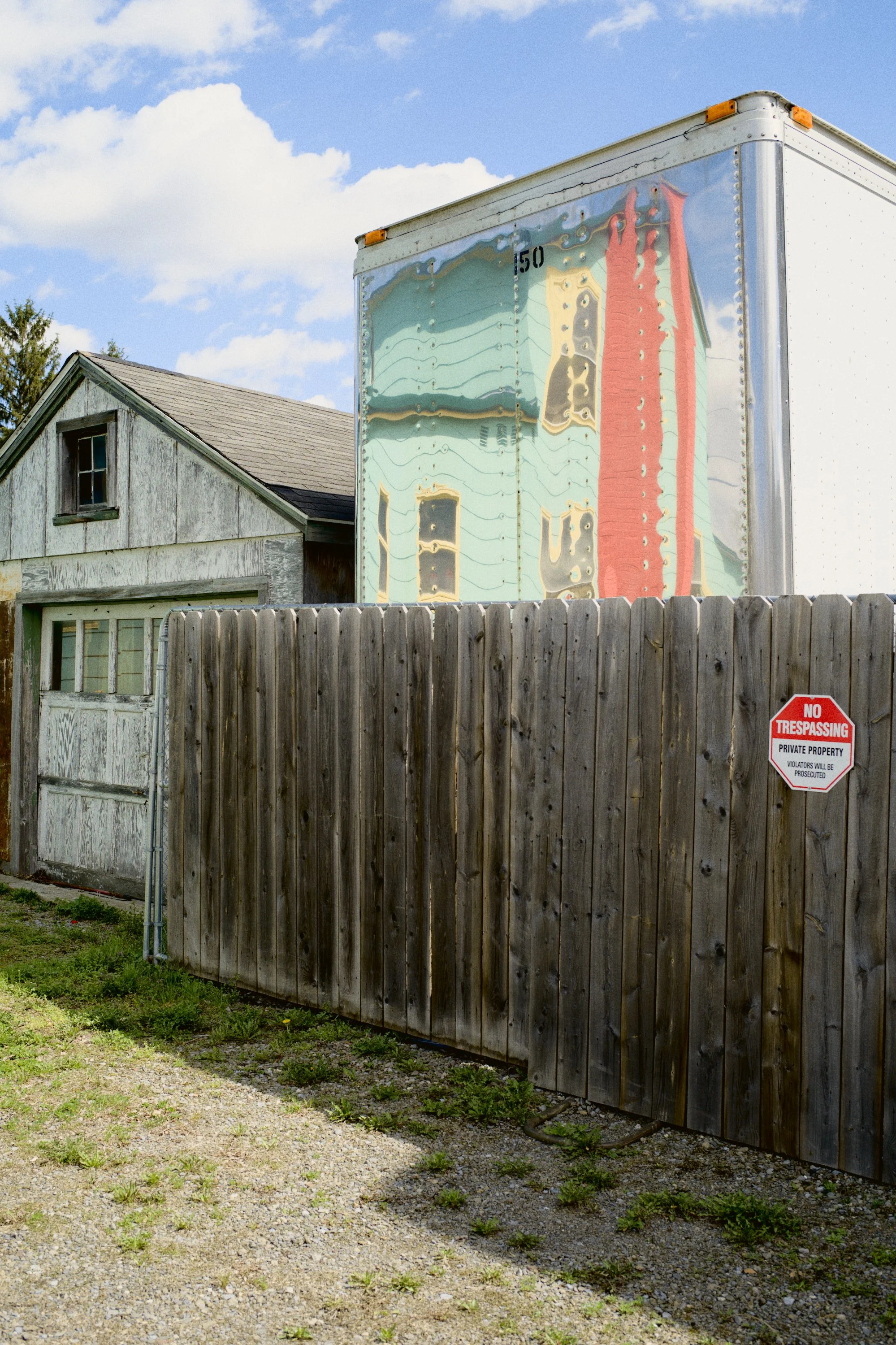
The other day I read an angry post on a street photography subreddit, its author complaining about another photographer’s work. Their pictures weren’t street photography, the argument went, because there were no people in them. Street photography, by this person’s reckoning, is defined by candid images of strangers on the street; without the people, it’s something else, something less interesting.
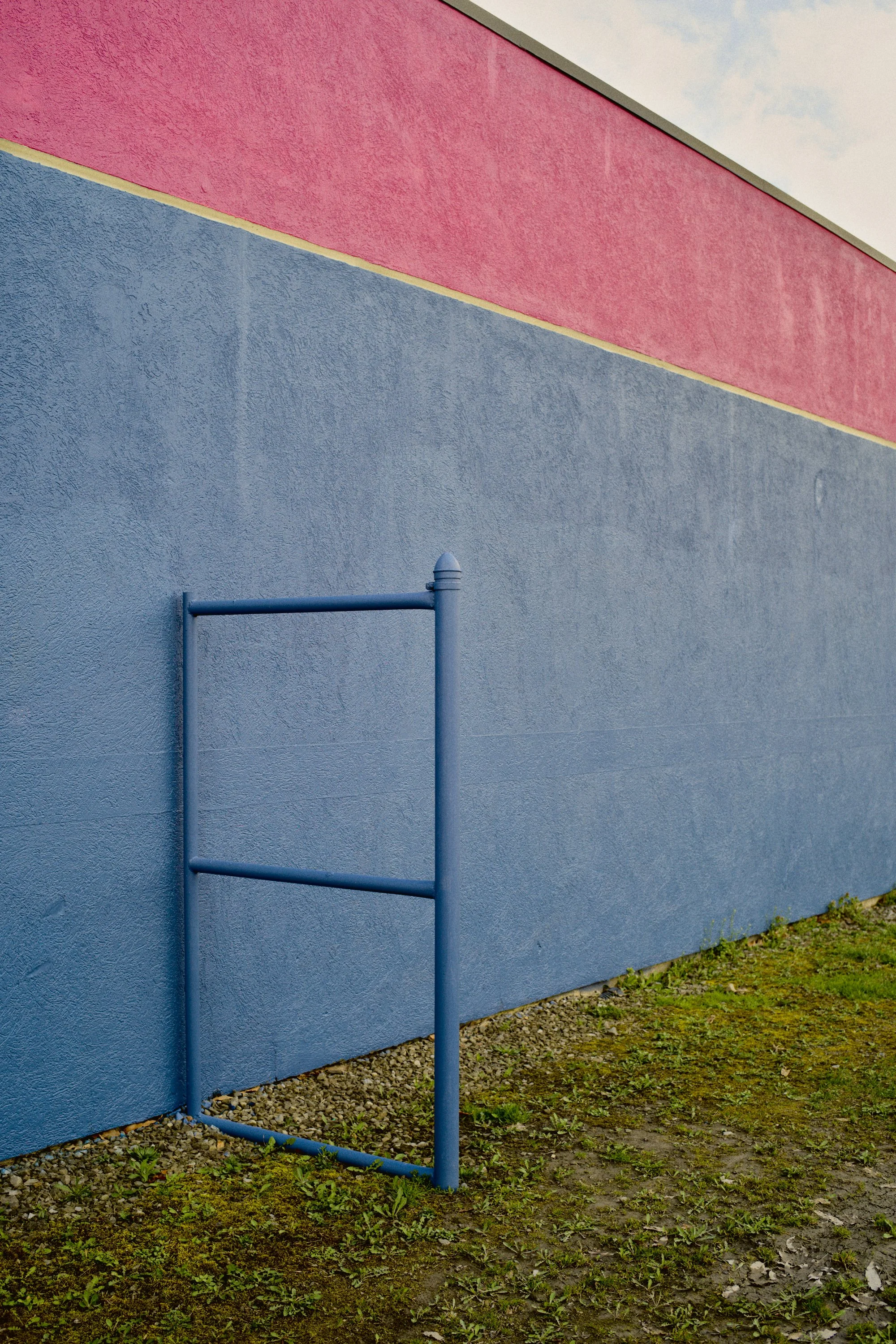
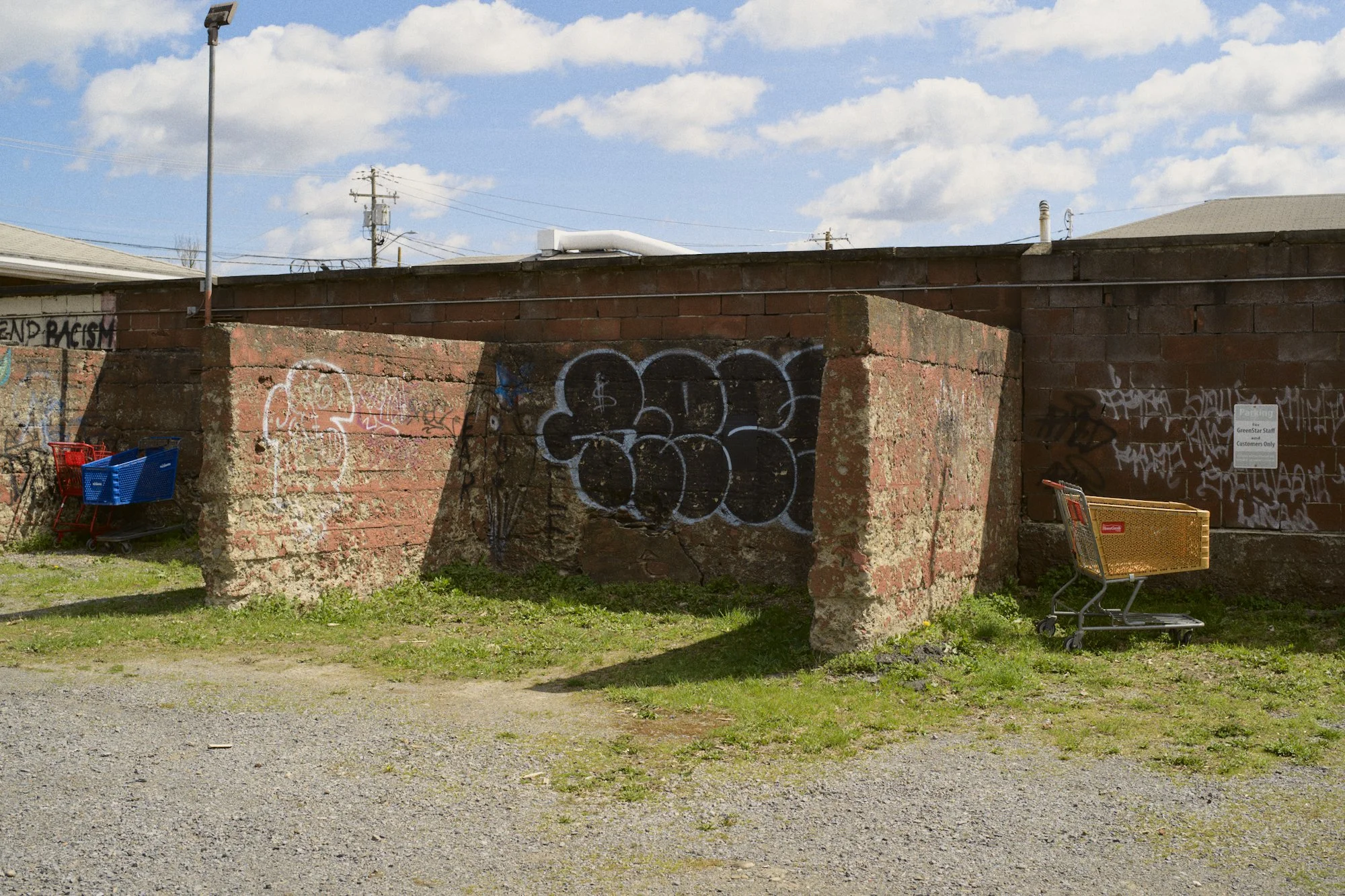
I’m not one to police categories like this, but the comment did get me thinking about what I like to photograph and why. I used to practice the kind of street photography this redditor might approve of, and still do, but not as often, ever since a woman dressed me down for surreptitiously snapping her on the sidewalk. (In my defense, we were on Fifth Avenue in Manhattan, it was Fashion Week, and she was wearing a cool coat!) The photographs I most enjoy taking these days are of the civic environment depopulated — harmonious, serendipitous, or compellingly awkward arrangements of human artifacts that I know won’t last.
A writer I know, Antoine Wilson, maintains an intermittent photography project called Slow Paparazzo, which consists of visually uninteresting pictures documenting where a celebrity has been, moments before — a crumbling concrete stoop David Schwimmer just abandoned, an arrangement of cheeses Patton Oswalt recently perused. I like these so much more than actual photos of people who, however sensitive they might be about their privacy, are accustomed to being seen. Wilson’s photos recast ordinary life as a film set, the great backlot that is the entire world.
I love all art that invites you to contemplate what isn’t there. (As I type that I think of the frightening steel-and-textile sculptures of Lee Bontecou, with their dark, trypophobe-triggering lesions.) There’s a book my one-year-old son likes, Big Red Barn by Margaret Wise Brown of Goodnight Moon fame, that tells you what the animals are doing on a farm. Here’s my favorite passage:
There was a big pile of hay
And a little pile of hay,
And that is where the children play.
But in this story the children are away.
Only the animals are here today.
As I write this, my family is preparing to move to a new house, and to sell our old one. When you ready your house to sell — “staging,” as the real estate agents say — you’re expected to remove evidence of your habitation for the photos and buyer visits. It should look like a nice place to live, but not a nice place for you to live. The buyer should be able to imagine themselves filling the space. If they imagine you there instead, the photos have failed.
Our agent was pleased with the walkthrough gallery her photographer generated, but it strikes me as eerie: I have never seen our house without us in it. Indeed, it looks like the set of a movie based on our lives. My home office, stripped of its literary and musical memorabilia, might accomodate any old midlist novelist. Our decluttered, scrubbed-clean kitchen reminds me of the pandemic-era cooking videos celebrity chefs posted when they couldn’t go to work. Our daughter’s room, ordinarily a joyful mess, is as neat and inviting as a catalog page. (In this story, the children are away.)
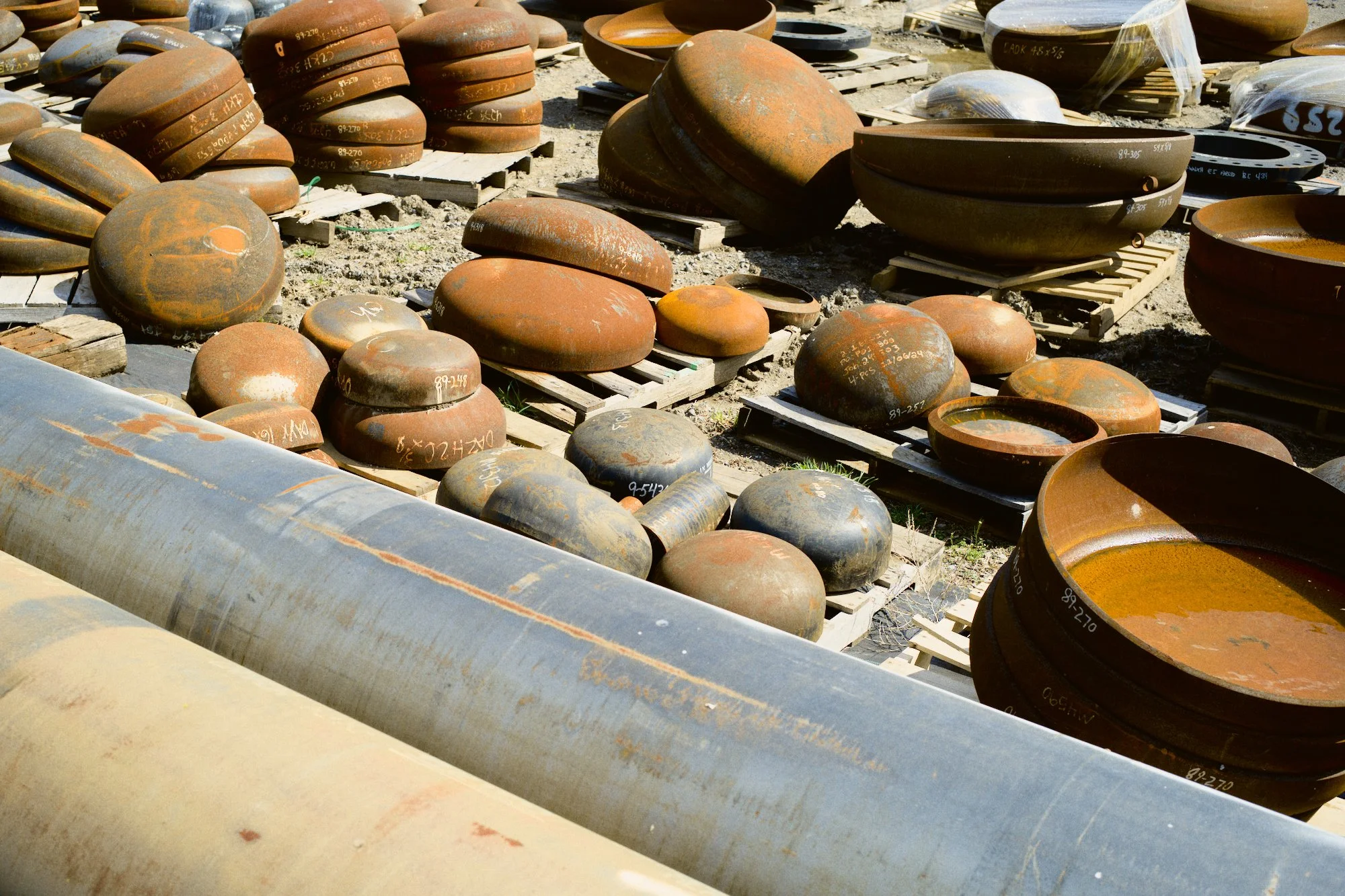
A few weeks ago I was nervously awaiting minor elective surgery on my toe, the second one on the left. A congenital crookedness had invited arthritis to roost, and my doctor planned to straighten the deviant digit out. Dizzied by the large amounts of house money we’d be borrowing, accepting, and moving around, I fantasized that the whole toe might be excised in a tragic medical mishap. The settlement money would set me up for life! And who needed that toe, anyway — maybe its ghost would suit me even better. (Now on the other side of the procedure, I can tell you that the toe endures and feels fine; I can still faintly discern the arrow my surgeon markered on the foot to remind him which one to cut.) Anyway, I realized that, by the time I was mobile again, I’d be living a few miles down the road in the nearby town where our new house was, and decided, on the eve of the procedure, to take my last long photography walk as a full-time Ithaca resident. The unpeopled results are scattered throughout this post.
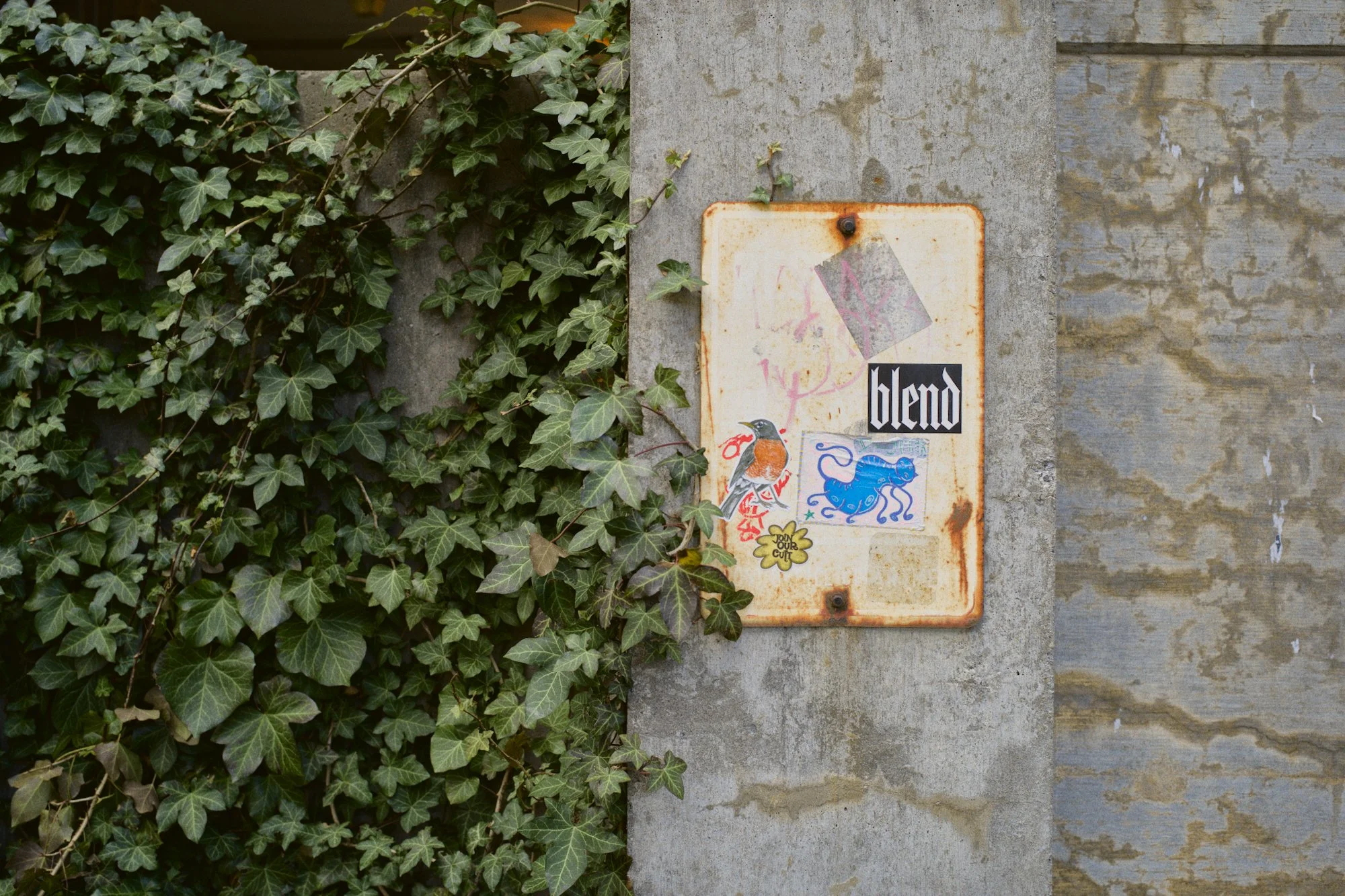
I feel bittersweet about leaving Ithaca, where I’ve resided for almost thirty years. Even when the breakup with your town is acrimonious (ours isn’t), you still idealize the place you spurned. What further life might you have lived there? I’ll miss my short walk past the empty storefronts I have often photographed, less interested in stuff I can buy than the stuff my mind might fill the space with — retail negative capability. (Yes, I know that’s not what negative capability means, but I always want it to! Keats’s words are a void I can’t help pouring my own meaning into.) Even Bontecou filled a void now and then, as in 1961’s Untitled. I have been trying to fill voids all over our old house: stove-in sections of drywall, nail and screw holes, old wood pulling apart like the bones of a middle-aged toe. You can slop all the joint compound you want in there, but the hole always seems to want more. Or, as I put it to a friend (Elisa Gabbert, whose next book, My Void, is about holes, and whose territory I am rudely occupying here), the hole has more will than the wall.